Tag

emotional trauma

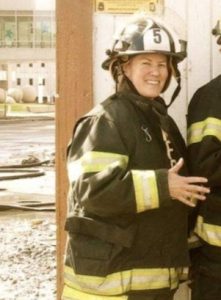
The variety that comes with a fire service job is one of the reasons Tracy Terbell was excited to go to work every day. But after more than 20 years with the Minneapolis Fire Department and experiencing some highly traumatic calls, she started to struggle both on and off the job. As a result, Tracy turned to drinking to relieve some of the pressure.

She was unhappy, lost and knew she couldn’t continue down this path, so she started considering early retirement, but was worried about not having work to anchor her daily schedule and life.

Balloon popping inside

Eventually, in 2022, the burden became too much to handle. While at work one day, Tracy confided in her captain about her struggles and broke down in tears. In a supportive gesture, she was advised to go home but Tracy knew she could not be alone and stayed on for the remainder of her shift. She described the day like a “balloon popping,” as she was no longer able to contain her stress and sadness.

She initially worried about her “secret” being out among the department, but getting the word out and involving more people was a lifesaver for Tracy.

Access to support and resources

A fellow firefighter from Tracy’s rookie class was instrumental in helping her access the Hometown Heroes Assistance Program and navigate the initial calls to MnFIRE’s confidential helpline to receive her five no-cost therapy visits.

Once the door was open, she was paired with a therapist who met with her in person. At the time, it was hard for Tracy to leave her house, so in-person meetings with her therapist were critical for her path to becoming a stronger and healthier firefighter.

Building resilience and tools

Tracy credits MnFIRE and her therapist – who she still works with today – for her newfound resilience and the tools she’s equipped to use when times are tough. For example, on her second shift back after rehabilitation from a knee injury in 2023, she responded to a horrific, upsetting call and was better prepared to care for herself by applying the skills she had learned in therapy.

Tracy hopes the stigma around mental health, particularly for firefighters, continues to decrease, and admitting you need time and resources to work through traumatic experiences should be viewed as a healthy outlet by more people.

“Taking the first step and continuing with my therapy sessions has made me a better firefighter and a better crew member,” says Tracy. “The aftermath of some upsetting calls, compounded by other life experiences, was taking away my strength and competence on the job. I needed help.”

Since you can’t physically see a mental health crisis, it’s often hard for others to understand. Tracy compares it to finding a lump or other concerning physical symptoms that people seek medical attention for without hesitation. The same approach and outlook should be taken for emotional trauma.

Spreading the word about MnFIRE

Creating a more resilient first responder force is good for everyone. As Tracy says, we want and need healthy firefighters, police officers and emergency medical professionals showing up and ready to commit to critical calls and upholding public safety needs.

MnFIRE’s helpline is available 24-hours a day at 888-784-6634 for all active Minnesota firefighters and their families – select option 1 for no-cost counseling visits and option 2 for peer support. Check out our new video that shares an overview of these impactful resources in action.

By Rochelle Hawthorne, MPNA, MS, LPC, FF/EMT-P, MnFIRE Peer Support Program Director

Sometimes when you are having a tough day, it’s nice to talk about what’s troubling you with someone who innately understands your perspective. It can be especially helpful when you are carrying the unique stresses that come with being part of the fire service.

MnFIRE’s Peer Support Team is comprised of fellow Minnesota fire service community members who are available to lend a listening ear and offer support to those who may be struggling at the fire station, on calls, at home and beyond. It’s completely confidential, an unlimited resource and available 24/7 – on the days when you feel like you’ve reached your limit, and any other time.

Here are some of the key benefits when utilizing peer support:

Mental health and emotional well-being 

  • Early intervention: Sometimes firefighters are more likely to open up to peers than external professionals, allowing earlier detection of mental health issues like PTSD/PTSI, depression, or anxiety.
  • Reduced stigma: Talking with peers can normalize mental health struggles, helping to dismantle the “tough it out” culture.
  • Improved coping mechanisms: Peers can share practical tools and experiences for managing stress and trauma.

Increased trust and camaraderie 

  • Shared experiences: Support may be best coming from someone who has “been there,” which builds credibility and deepens trust.
  • Team cohesion: Encouraging open dialogue improves unit morale, cooperation and interpersonal relationships.

Resilience building 

  • Stronger stress management: Ongoing support increases emotional resilience, helping firefighters bounce back from difficult calls or prolonged stress.
  • Prevention of burnout: Regular peer check-ins can reduce the emotional toll that leads to fatigue or job dissatisfaction.

Crisis response and recovery 

  • Support after critical incidents: Peer teams can assist in debriefings or defusings following traumatic events, helping reduce long-term psychological harm.
  • Suicide prevention: By identifying warning signs and offering immediate peer-level help, these programs can be lifesaving.

Enhanced organizational culture 

  • Promotes a culture of care: When leadership supports peer programs, it signals that firefighter wellness is a priority.
  • Reduces absenteeism and turnover: Healthier firefighters are more likely to stay in the job and maintain consistent performance.

Accessibility and continuity 

  • Available anytime: Peer supporters can be embedded within shifts or departments or can be confidentially reached by a simple phone call, providing immediate and ongoing support.
  • Bridge to professional help: Peer teams can refer individuals to clinicians when needed, ensuring a continuum of care.

The MnFIRE Peer Support Program matches firefighters and family members with trained peer supporters who have a similar background – from rank to size and type of department– and know firsthand the stressors firefighters face, both on and off the job. To access MnFIRE Peer Support, contact 888-784-6634 at any time and select option 2.

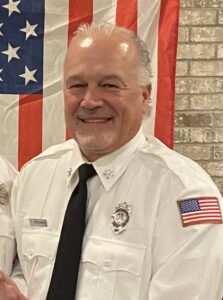
When Jeff Rosener walked out the door after meeting with a mental health counselor for the first time, he didn’t know if the planned two-times-per-week therapy schedule was going to help.

“To be honest, I was skeptical,” said Rosener, a captain in the Minneapolis Fire Department. “I’m from the Marine Corps, which (has the mentality of) suck it up, just drink like the rest of us, take some Advil and rub some dirt in it.”

But Rosener stuck to the schedule and quickly realized how much his life – both personally and professionally – benefited from reaching out for help. Rosener’s sessions were made possible by the MnFIRE Assistance Program (MAP), which offers free, confidential help for Minnesota firefighters and their families 24/7 with emotional health, stress and more. The MAP is part of the Hometown Heroes Assistance Program (HHAP), funded by a $4 million annual appropriation from the state.

As part of these no-cost benefits, every Minnesota firefighter and their family members can access up to five counseling visits per issue per year, with additional support ensured as needed, with specialized mental health professionals who have been trained to address the unique experiences of the fire service.

Earlier in 2024, Rosener hit a low point in many of his relationships, especially with his wife and their five kids, ages 13 to 2. One evening that spring, his wife asked to separate.

“I didn’t sleep at all that night and then went to work the next morning,” said Rosener, who has been in the fire service since 2010. “I said to my chief, ‘I need some help.’ I didn’t know if I needed to call a divorce lawyer or a therapist, but I was in a bad way.”

The Minneapolis Fire Chief immediately took action, keeping Rosener off the truck and connecting him with the department’s MnFIRE liaison. While Rosener had heard of MnFIRE and had seen a poster up in the fire station, he didn’t realize all the benefits available to him as an active firefighter. This was the first time Rosener received support from MnFIRE.

“Within two hours of me asking for help, I was in the office talking to my mental health provider, Melinda,” Rosener said. “It wasn’t crisis intervention; it was just me saying I need to save my marriage. That’s how it all started.”

During that first meeting, Rosener and his provider established a plan of care, including therapy sessions twice a week and taking six months off firefighting duty.

“The MnFIRE liaison told me not to worry about sick time and just focus on myself and my family,” Rosener said. “I felt 1,000% supported.”

Rosener’s therapy sessions used a combination of Eye Movement Desensitization and Reprocessing (EMDR) therapy and acceleration resolution therapy.

“Once I started it, I started immediately unpacking some of the trauma, he said. “It was explained to me that it’s just like a physical injury – how your brain takes days to even process what we see before we can even make sense of it. It really opened my eyes.”

Rosener also learned tools – like grounding, changing body chemistry and changing his physical environment – to help him cope with everyday life.

“When I feel anger coming on, I recognize it and use these tools before seeing red,” Rosener said.

For example, when Rosener starts to get agitated, he will take a break and go to his garage to organize his tools or take the dog for a walk to calm himself down.

Along with tools to cope, therapy has also given Rosener a new perspective on life.

“I realized I am very lucky to have the greatest job in the world, but no matter what, my family comes first,” he said. “I won’t miss another important day. I want to be there for those memories.”

Ten months after his initial outreach for help, Rosener said he and his family are together and doing a lot better, thanks to therapy sessions through MnFIRE and doing the work to make a change. Rosener was also able to return to full duty without restrictions thanks to the help he received through MnFIRE.

“To ask for help was a big deal for me,” he said. “I’m glad I did it, my family is glad I did it. But it’s always going to be a work in process. Having those tools is a great asset.”

His peers in the fire service have also been supportive of Rosener’s road to recovery. As more people in his profession talk about mental health support, Rosener hopes getting help when needed becomes the norm. He knows both sides as a skeptic turned believer in therapy.

“The stigma of suck it up and the perceived weakness needs to die before more of us (in the fire service) do,” Rosener said.

Confidential help is available any time for any Minnesota firefighter and their family through the MnFIRE Assistance Program. For more details or for help, call 888-784-6634 or click here.

Contributed by MnFIRE Mental Health Director Melinda Coscarelli, PhD, LPCC, LADC

According to the Minnesota Department of Health, recent data shows more than 800 Minnesotans die by suicide every year. In Minnesota’s fire service, research by the National Alliance on Mental Illness tells us that nearly 50% of firefighters are currently experiencing or have experienced suicidal thoughts. Sadly, approximately four to six Minnesota firefighters will choose to die by suicide each year.

The causes of suicide are complex, but we do know the repeat exposure to traumatic events that firefighters face can pose significant risk to their mental health, and leave them at a higher risk for suicide. Suicide is preventable, but there is a stigma around the topic that stops people from admitting they are struggling and getting the help they need. By raising awareness and learning how to support each other, we can make a positive change and save lives.

Know the risk factors

Being aware of risk factors is one of the first ways you can help prevent suicide. Two of the most common risk factors for suicide are depression and post-traumatic stress injury (PTSI). Studies show that firefighters are five times more likely to experience depression. It usually presents as continuous sadness, hopelessness and a lack of interest for the activities previously enjoyed. Additionally, PTSI can also be a warning sign. In fact, because of the daily high-stress and sometimes tragic calls that firefighters respond to, one in five firefighters meet the criteria for PTSI.

Know the warning signs

Something to look out for when concerned that a person may be suicidal is behavior changes. Warning signs could include isolation or withdrawing from family and friends, a substance abuse disorder, poor sleep habits, mood swings, or lack of hygiene and weight loss. Listen for language that refers to not being included anymore, or the world being better after not being around any longer. It’s important that if you fear someone is in immediate danger of harming themselves, do not leave them alone – call a crisis line or health care provider.

There is help

It’s important for all first responders to have a healthy outlet for releasing their mental and emotional struggles. Counseling can offer professional support by giving you tools to manage and relieve mental and emotional symptoms. Peer support is another great option for having a trusted person you can talk to and relate to with your story. Exploring faith and spirituality can also sometimes help you find more direction, connection and clarity in life.

Life is full of ups and downs and twists and turns. We all experience hard times. But it’s always temporary. Suicide is never the answer. Know that it’s OK to ask for help, and it’s a gift to allow someone to help you.

MnFIRE is here

As a Minnesota firefighter or family member, you have a whole support team behind you thanks to the MnFIRE Assistance Program! The MnFIRE helpline is staffed by masters-level clinicians all day, every day. From one-on-one calls to department debriefs, during the middle of a crisis or after a tough call, we are here for you. Don’t hesitate to use this free, confidential resource available 24/7 to all full-time, part-time, on-call and volunteer firefighters and their families in Minnesota. Just call 888-784-6634.

Contributed by MnFIRE Mental Health Director Melinda Coscarelli, PhD, LPCC, LADC

Summer is a popular time for outdoor gatherings and celebrations with friends and family. So many of these social events, parties and get-togethers will have alcoholic beverages at the ready. Let’s face it: we live in a culture that likes to drink! But how do we know where or when to draw the line? What is considered to be within healthy limits of alcohol consumption and what is abusive or unhealthy drinking behavior?

What is a healthy limit?

The key to enjoying alcoholic beverages within a healthy limit is moderation. Research shows that men who drink eight or more alcoholic beverages weekly could experience internal medical issues such as elevated liver levels, kidney damage, inflammation of the pancreas and several stomach problems, among other ailments. Women typically have slower metabolisms than men so they don’t require as much alcohol to have the same harmful health effects. For women, weekly consumption of six to eight alcoholic beverages can elicit the same medical concerns.

Use within the fire service

A recent study measuring firefighting drinking habits showed over 50% of firefighters abusing alcohol. Firefighters reported using alcohol as a means of taking the edge off, escaping, coping and self-medicating. Some reported being physically dependent and unable to stop.

Do I abuse alcohol?

As an addiction specialist who has worked with firefighters for several years, I have seen several times how alcohol has ruined firefighters’ lives, careers and families all in an instant. Here are a couple of quick questions you can ask yourself to see if you might have an issue:

  • Have you felt the need to cut down on your drinking?
  • Do you feel annoyed by people complaining about your drinking?
  • Do you ever feel guilty about your drinking?
  • Do you ever drink an eye-opener in the morning to relieve the shakes?

If you answered “yes” to any of these questions or know someone who needs help with alcohol or substance abuse, please call our 24-hour helpline at 888-784-6634. Free counseling visits, peer support and other resources are available through the MnFIRE Assistance Program. This confidential, free service is available for all active volunteer, paid-on-call, part-time and full-time Minnesota firefighters and their families, and for all levels of support.

Contributed by MnFIRE Mental Health Director Melinda Coscarelli, PhD, LPCC, LADC

As firefighters, you’re taught to always be prepared. Your department spends hours practicing and preparing for that moment when someone calls for help. But how do you answer the call from one of your own?

Mental health problems can come in all sizes, from a firefighter facing burnout to one who is having suicidal thoughts. With the mental demands and emotional toll of firefighting, fire service leaders must be prepared to offer support to their fellow firefighters when needed. After all, firefighters with more supportive cultures and departmental resources perceive their work environment as less stressful, which can lessen manifestations of mental health problems such as anxiety, substance abuse, insomnia and depression.

Here are a few things you can do to be better prepared.

Get trained

Fire service leaders should receive training on how to talk to their crew about mental health concerns. These situations are delicate and at times need to be handled differently than your typical calls. MnFIRE provides access to suicide prevention classes and emotional wellness deep-dive trainings. Because with proper education, you can identify the warning signs for emotional trauma and feel more comfortable having these conversations with your firefighters.

Build awareness and support

Making small changes now can help build a stronger foundation to stand on later. Put up posters around your department with messages and tips for managing different symptoms such as sleep deprivation or moodiness. Posters can be placed in prominent areas like the kitchen, or more discrete locations such as the restrooms. MnFIRE also offers educational materials on resources to help, which show MnFIRE’s free helpline for getting support 24/7.

While a few posters or brochures won’t change the fire service culture, having them visible and accessible can be helpful to someone suffering in silence and start building awareness for the support that’s always available to them.

Be proactive

Several departments have started doing regular check-ins with their crews. A good time for doing this is at roll call or shift changes. It can be as simple as asking your crew to rate their current mental status on a scale of one to 10, with 10 being mentally maxed out. If one of your firefighters is at a seven or higher, pull them aside and ask them what you can do to support them. A simple check-in adds accountability and shows the crew that you genuinely care.

It’s also helpful to develop a safety plan for your department so you know what process to follow to de-escalate any type of crisis situation.

Stay calm

If a mental health emergency does arise, stay calm. Ask the firefighter what you can do to support them through their difficult situation. Steer clear of offering advice, but rather listen and empathize.

Be attentive

Taking a class like MnFIRE’s emotional wellness training or the suicide prevention skills training we put on for our peer supporters can be very beneficial to learning warning signs for someone in distress. Non-verbal and verbal language both give clues about when a firefighter’s mental health may be starting to decline, or they may even become suicidal. It is best to recognize these signs before they escalate into a dangerous situation.

Call MnFIRE

If you don’t feel prepared, know that we are. The MnFIRE toll free number is staffed by masters-level clinicians all day, every day. From one-on-one calls to department debriefs, during the middle of a crisis or after a tough call, we are here for you. Don’t hesitate to use this free, confidential resource available to all full-time, part-time, on-call and volunteer firefighters in Minnesota. Just call 888-784-6634.

To Our Minnesota Fire Service Sisters and Brothers:

Everyone at MnFIRE joins the entire state as we mourn the loss of Burnsville firefighter/paramedic Adam Finseth and police officers Paul Elmstrand and Matthew Ruge in yesterday’s tragedy. During this difficult time, please remember that the full resources of the MnFIRE Assistance Program are available to all Minnesota firefighters and their families.

Confidential help – including connection to no-cost mental health care and peer support – is available anytime for any Minnesota firefighter and/or their family. Phone lines are answered 24/7 by Master’s-level trained mental health professionals who provide confidential support, guidance and mental health resources.

For immediate, 24/7 support call 888-784-6634.

Any member of a firefighter’s household can use these important Hometown Heroes Assistance Program (HHAP) resources. Each firefighter and/or their family members can access up to five counseling visits a year (additional support is available as needed). Firefighters are also matched with a member of MnFIRE’s team of trained peer supporters who know firsthand the difficulties firefighters face and are well-equipped to walk alongside a firefighter in need as they navigate their situation.

If you’d like to talk, we’re here.

For more information or for help, call 888-784-6634 or visit liveandworkwell.com, access code: MnFIRE.

Mental health conditions affect people of all ages, backgrounds and lifestyles in all kinds of ways. In fact, about one in five people globally live with a mental health condition. For firefighters, the rates are even higher than the general population – particularly in the areas of sleep disorders, depression, substance abuse, post-traumatic stress injury and suicidal ideation/action.

And too many of these firefighters are suffering in silence.

Mental health conditions are treatable illnesses. Yet, despite how common mental health concerns and conditions are, stigma persists. And most people don’t seek help.

Here are seven ways you can help stop stigma, so people feel safer and more comfortable getting the help they may need:

Be kind

A simple rule of thumb is to remember people are people, not conditions. Treating people with kindness and compassion can go a long way toward creating a welcoming, supportive environment.

Study the facts

There is a lot of bad information out there. Check your source before you repeat or repost a tidbit off the internet. It may not be accurate. Consider the motivation behind a dramatic portrayal on a TV show before assuming it’s credible. Educate yourself, so you can help set the record straight. It’s best to start with legitimate resources that are committed to raising awareness and mobilizing support for mental health. The World Health Organization is a great example. Learning about common conditions, like depression, anxiety disorder, post-traumatic stress disorder and others, will help you spread good information.

Be an ally

Encourage respect and dignity for all people. If you hear someone saying hurtful or false things about mental health concerns or conditions, politely speak up and address it.

Talk openly about mental health

Listen respectfully and invite open conversation about the importance of mental health and well-being. People should not feel ashamed or reluctant to get the benefit of professional help.

Foster understanding

Encourage yourself and those you influence to view mental health just as you would physical health. If, for example, a friend sprained an ankle or broke an arm, you would encourage them to seek medical attention. The same should be true for mental health conditions.

Share your own experience

If you have personal experience with mental illness, consider telling others about it. Sharing your story can foster understanding and provide perspective. The MnFIRE Peer Support program provides a confidential outlet for firefighters to share what they’re going through with someone who understands.

Get involved

Around the world, people are working hard to improve mental health care perceptions, systems and policies. There are many ways to show support. Make sure you post only accurate information on your social media. Drive a friend to a therapy appointment. Make your vote count in local elections. Donate time or money to an advocacy organization like MnFIRE. Every show of support helps normalize the conversation around mental health and wellness.

The emotional and disturbing calls we go on can stick with us – and it’s important to recognize how the stresses of the job can negatively impact our mental health. MnFIRE’s emotional wellness training can help your department de-stigmatize talking about mental health, as well as provide practical information around how to properly debrief after a difficult call, ways to maintain emotional well-being and what resources are available for those who need help.

Confidential peer support and mental health resources are available to Minnesota firefighters and their families for free through the MnFIRE Assistance Program. For more details or for help, call 888-784-6634 or visit mnfireinitiative.com/hhap/#MAP.

Repurposed from MnFIRE Assistance Program partner, Optum.


Sources

American Psychiatric Association, “Stigma, Prejudice and Discrimination Against People with Mental Illness.”
psychiatry.org/patients-families/stigma-and-discrimination Accessed July 17, 2023.

BetterHealth Channel, “Stigma, discrimination and mental illness.”
betterhealth.vic.gov.au/health/servicesandsupport/stigma-discrimination-and-mental-illness#challenging-stigma-associated-with-mental-illness. Accessed July 17, 2023.

Mind, “Mental health problems – an introduction.”
mind.org.uk/information-support/types-of-mental-health-problems/mental-health-problems-introduction/stigma-misconceptions/. Accessed July 17, 2023.

NAMI, “Pledge to be stigmafree.”
nami.org/Get-Involved/Pledge-to-Be-StigmaFree. Accessed July 17, 2023.

From the anticipation of beginning a new year to adjusting to whatever else life throws at you, the holiday season can be stressful for many people, but for firefighters and first responders especially so thanks to icy road conditions; increased cooking, heating and electrical hazards; and more.

As you’re celebrating the season with fellow first responders, loved ones and friends, it’s important to stay in touch with how you’re feeling mentally and emotionally, especially after a tough or traumatic call. Here are seven ways to guard yourself against and alleviate potential stressors, during this holiday season and year-round:

  1. Be realistic – and optimistic
    You are one person with 24 hours in a day. Avoid putting pressure on yourself to be perfect. Instead, make goals about doing the best you can. Also, look for reasons to be positive. Inviting yourself to take pride in your personal and professional accomplishments, however small they may feel, can go a long way in helping you feel energized and motivated.
  2. Set boundaries
    Resist the pressure or urge to make yourself available at all hours for all people. Trying to fit too much into one day can make you less effective and eventually lead to exhaustion. Do what you can to organize your time and tasks, so you’re focusing on the highest priorities first and most. For example, divide errands or chores into “must-do’s,” “could-do’s” and “no-need-to’s” where possible.
  3. Take time for yourself
    Make sure to take time for yourself – even if it’s just a few minutes or an hour or two. Also, give yourself permission to decline requests for extra shifts or social invites. Giving yourself downtime to recharge can ultimately help you be more positive and productive overall.
  4. Try to limit distractions
    Aim to limit distractions and focus your time and attention on one task at a time. Although it can be difficult to know when the next call will pull you away, dedicating certain hours in the day to one task at a time – such as checking your phone notifications or setting aside time to put on headphones and decompress after a shift – can help you feel more focused and at ease.
  5. Take a break
    Relaxation is the natural countermeasure for stress, so do your best to take breaks to help you refresh and recharge. Even short breaks help improve your mood, performance and well-being. Also, schedule in activities you enjoy. When it comes to taking a break, it doesn’t matter what you do, so much as that you do take the opportunity to rejuvenate. If you do feel intensely stressed, consider using relaxation techniques like deep breathing, mediation, yoga or whatever else helps slow your breathing and heart rate to regulate your nervous system and bring you back to equilibrium.
  6. Take care of your health
    Even when your schedule heats up, make time for regular exercise, getting enough sleep and eating nutritious foods. All of these can help you be more resilient to stress and feel better overall.
  7. Reach out
    Having a solid support system among co-workers and loved ones can help you ultimately feel less stressed and be more productive. In a moment of high stress, having someone to listen to what you’re going through can help calm you down or cool off and reset. Plus, maintaining positive friendships generally correlates to mental health and happiness. That’s because healthy friendships can help keep your spirits up, give you a sense of connection, and improve your self-confidence, among other benefits. Take advantage of peer support and free counseling visits through the Hometown Heroes Assistance Program. Get confidential support and speak to someone who gets it and understands the full experience and challenges of being in the fire service.

For more details or for help, call 888-784-6634 or visit mnfireinitiative.com/hhap/.

Repurposed from MnFIRE Assistance Program partner, Optum

Five tips for dealing with a new diagnosis

Life can bring many stressors, which can deteriorate both physical and mental health. Many people know how to care for their bodies when they are dealing with a physical ailment, but if you are diagnosed with a mental health condition, what happens next?

You may feel a bit lost with this new information, but we want you to know there are ways to help you feel better. For World Mental Health Day Oct. 10, we have compiled a list of five tips of how to deal with a new mental health diagnosis.

Acceptance of your diagnosis

While people have shared more about mental health in recent years, it still sometimes carries a stigma. But we’re here to tell you mental health is just as important as physical health. It’s OK to receive a mental health diagnosis. Here’s the good part – there are care plans out there to help you feel yourself and live a fulfilling life. Take a deep breath, accept your diagnosis and stick to your care plan. You’ve got this!

Find others to support you

Having supportive people to help you through each stage of your diagnosis can make a big difference. If you feel comfortable, open up to family and friends you trust. Writing your thoughts and feelings in journal can also be helpful when you don’t feel like talking. Or if it’s not already in your care plan, consider finding a therapist to assist you sort through all the thoughts in your mind. You don’t have to do this alone.

Learn about your diagnosis

Being able to care for yourself can only be done if you understand what you’re caring for in the first place. Even if you think you know about your diagnosis, do some research and learn about symptoms, treatments, and short- and long-term outcomes. Make sure you look at reliable sources such as government institutes, professional associations and patient advocacy organizations.

Take care of your physical health

Mental and physical health go hand in hand. Your sleep schedule, diet and exercise can impact how your mind feels. You don’t have to be perfect every day but try to get seven to eight hours of sleep each night, eat nutritious and filling foods, and move your body regularly. Taking care of your physical health isn’t a cure for a mental health condition, but your body will at least be ready to handle any physical stressors.

Set realistic expectations

Managing a mental health condition takes time and effort. Sometimes it can take a few tries to find the right medication or a therapist with whom you feel comfortable. Know that this is normal and part of the process. You may also experience setbacks or challenges. Try not to let those get you down. Keep those supportive people around you, take care of yourself and continue moving forward so you can feel like yourself again.

Everyone’s mental health journey is different. Be patient with yourself as you figure out this new diagnosis. If you need support in your mental health journey, we’re here for you. The MnFIRE Assistance Program provides free and confidential help online or over the phone, anytime, for dealing with:

  • Traumatic calls
  • Relationship problems
  • Parenting and family issues
  • Stress, anxiety and depression
  • Eldercare support
  • Substance use and addiction
  • Financial guidance
  • And more

Experienced specialists trained in the rigors of the fire service will listen to your needs and connect you to the appropriate resources, including mental health counseling. For more details or for help, call 888-784-6634 or visit https://mnfireinitiative.com/hhap/.

Repurposed from MnFIRE Assistance Program partner, Optum

1 2

The Minnesota Firefighter Initiative is a 501 (c)(3) non-profit recognized by the IRS. Tax/EIN number: 38-4049248.

P.O. Box 124, Isanti, MN 55040

Skip to content