
Published in partnership with MnFIRE partner, Optum
When it comes to mental health concerns, many people, including firefighters, can be reluctant to ask for support. Sometimes, it’s because they don’t realize they need help – or if they do, they’re unsure where to turn.
But oftentimes, long-held beliefs and stigma around mental health keep people from seeking support. Many people throughout the world are taught misinformation about mental health concerns, such as it goes away with time, it’s a private matter to keep within a family or previous generations had it harder so it’s unacceptable to complain.
You may have heard some of these perspectives from your family, community, culture, religion or fire service leaders, but they aren’t based in fact. Beliefs like these can cause real harm and make it harder for people to seek support or care for their mental health. Understanding where these messages come from – and challenging them – can help reduce stigma and create space for more open, supportive conversations.
Understanding mental health
Your mental health includes your emotional, psychological and social well-being. It affects how you think, feel and behave. When you feel mentally well, you are better equipped to get through tough times, manage stress, relate to others and make decisions in your best interest.
Mental health conditions are medical conditions that can arise from a mix of biological, psychological and social factors. Some people are born with a mental health condition. Some are predisposed to develop them. Some develop them from life experiences (like hormonal changes during puberty, pregnancy or aging), chronic stress and traumatic events. And some people experience situational mental health concerns as result of a difficult life event, such as a divorce, job loss or death of a loved one.
With the right support and resources, many people get through tough times, learn to manage chronic conditions and build resilience for the future. The more comfortable people become talking about mental health and sharing their support, the easier it is to ask for help and take steps to nurture their mental well-being.
Supporting mental health and well-being
Practicing self-care. Whatever life brings, it’s important to take care of your mental health and well-being – even if things are going well. Self-care practices like eating nutritious foods, getting enough sleep, being physically active and managing stress all contribute to your overall health and well-being. It helps when others in your household are also practicing healthy habits.
Recognizing when someone is struggling. People can be very good at hiding how they’re feeling and what they’re going through. But oftentimes, there are signs if they’re struggling. These include noticeable changes in behavior, appearance, mood or communication. For example, if a family member shows more irritability or anger, stops showing up to family dinner, gains or loses a lot of weight, stops grooming or begins talking about physical pains or sharing negative views or social posts, there may be more going on inside.
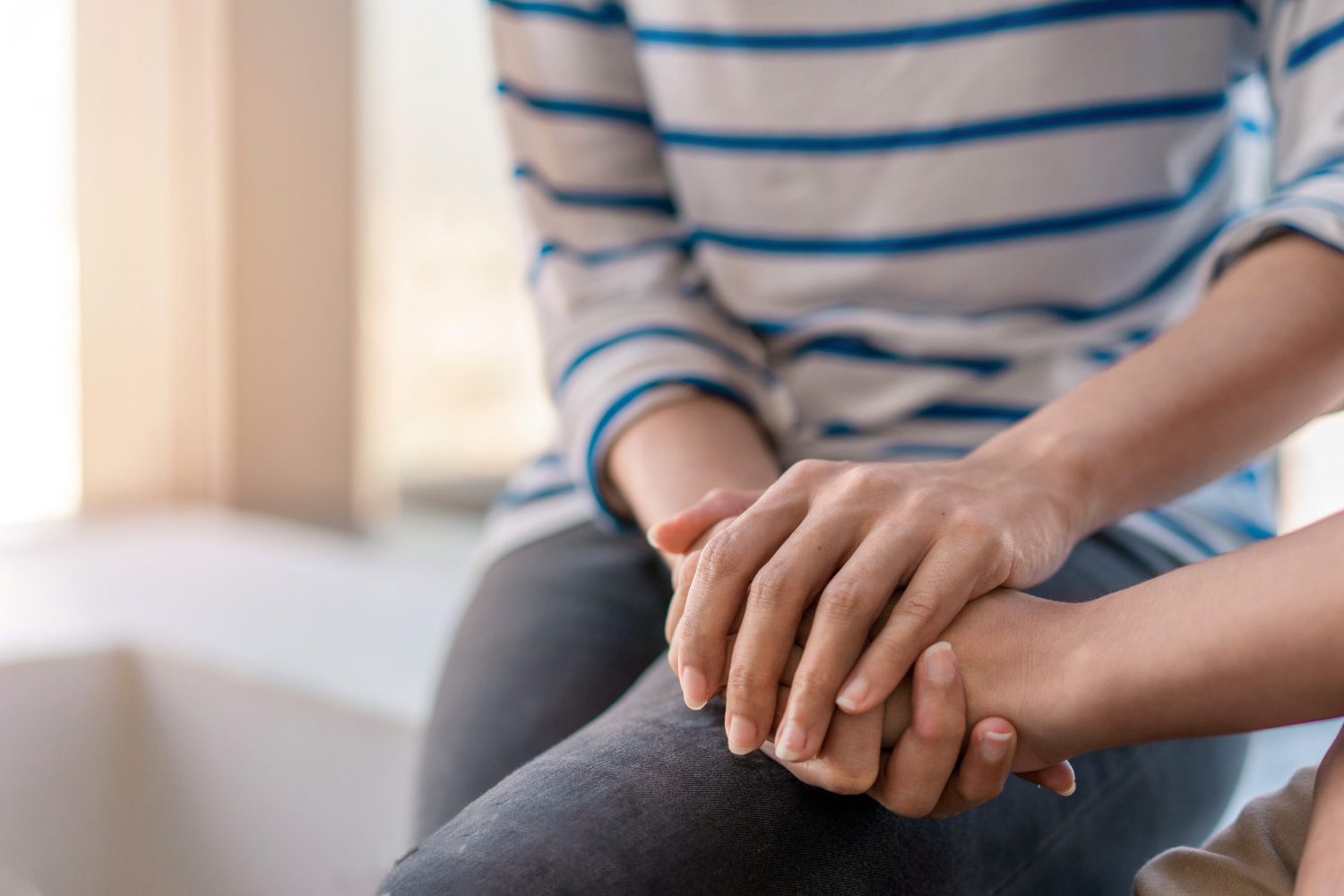
Checking in. It’s always a good idea to check in with loved ones. Sometimes, simple questions – “How are you doing?” “What’s on your mind?” “How’s work been going?” – create the opening someone needs to share what they’re going through.
In some cases, a less direct approach may work better. For example, if your uncle has withdrawn from the family and when you visit mentions physical pain or discomfort, that could be a sign of something else. Consider ways to start a conversation about mental health without saying it directly, such as: How are you feeling?” or “You mention you frequently have headaches – what do you think is causing them?”
Let them share. Then listen with an open mind. As you let them talk, stop yourself from offering advice or guessing at their problem. When they finish, offer to help them find support. This could involve spending more time with them, connecting them to resources or medical support, depending on their personality and situation.
Share your own experiences. Giving and receiving support is a natural part of caring for someone. Sharing your own experiences in these terms can help others feel more at ease and open to conversations about mental health. It can also be helpful to compare mental health to physical health – if you had a broken leg, would you just hope it heals on its own or seek treatment? Since it’s different for everyone, emotional pain is best addressed with care and consideration.
MnFIRE is here to help
The Minnesota Firefighter Initiative (MnFIRE) provides confidential mental health resources funded by the Hometown Heroes Assistance Program to help you prioritize and protect your health. Our helpline is available 24-hours a day at 888-784-6634 for all active Minnesota firefighters and their families – select option 1 for no-cost counseling visits and option 2 for peer support.
Sources
UNICEF. Busted: 7 myths about mental health.
American Psychiatric Association. Myths and facts about mental health. March 5, 2025.
HealthHub. Busting the myths of mental illness. Nov. 15, 2022.
HelpGuide.org. Racism and mental health. Jan. 16, 2025.
Mental Health America. BIPOC mental health myth-busting. Accessed April 18, 2025.
Mental Health America. Breaking down mental health stigma in BIPOC communities. Accessed April 18, 2025.
Mental Health Commission of Canada. Fact sheet: Common mental health myths and misconceptions. April 28, 2023.
Optum Well-being. Even your strong friends might need support. 2024.