
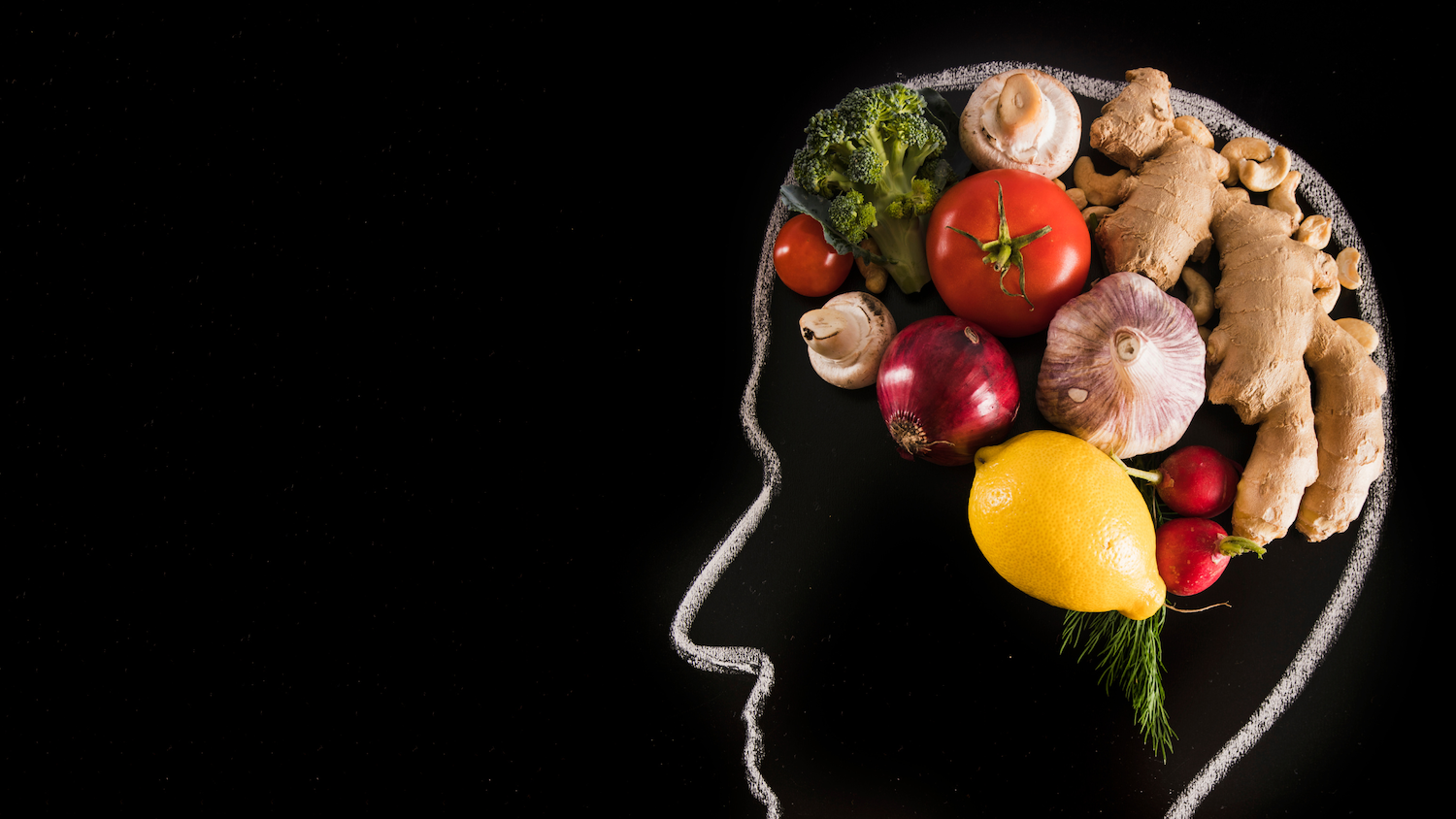
While nutrition alone can’t solve the complexities of a mental health condition, a growing body of research is showing how diets that support brain health can benefit mental health and well-being, and also help reduce stress and improve focus.
How nutrients support you
Your brain and body need a variety of nutrients to support your health. It’s important to note – despite the claims of ads, trends and friends – no one food or drink (or supplement for that matter) can uplift a down mood or cure a mental health condition. Generally speaking, your brain and body regularly need a balance of proteins, fibers, carbohydrates, vitamins, minerals, (unsaturated) fats and water to fuel them properly. Each one plays a role. For example:
- Protein helps your brain produce the chemicals it uses to regulate your thoughts and emotions.
- The healthy omega fats found in salmon, avocados, nuts and seeds, among other sources, support your brain function.
- Your body turns carbohydrates into glucose (a kind of sugar) that travels through your blood to feed your brain. Complex carbs found in whole grains, for example, produce slow and steady sugars to keep your brain fueled. Without them, you may experience low blood sugar, which can make you feel tired, irritable and depressed.
- The foods you eat also help promote a healthy gut – stomach, intestines and colon – with the right amount and kinds of bacteria to process and break down your food. Fiber aids in the digestion process, and so do foods with probiotics, like yogurt, sauerkraut, tempeh and kimchi.
- If you don’t drink enough water, you can become dehydrated. Dehydration makes it harder to focus and think clearly. It also can depress your mood and energy level.
On the other hand, foods low on nutrients can make you feel mentally worse. For example:
- The trans fats often found in highly processed and packaged foods have been linked to bad moods.
- Similarly, highly processed, sugary and fried foods have been linked to hyperactivity, aggression, poor concentration, depression and anxiety in children and adolescents.
- And the caffeine so many people rely on for a boost of energy can actually overstimulate you, causing feelings of irritability, anxiousness and depression. It also can keep you from sleeping soundly.
- Diets low in nutrients also affect gut health. As noted above, this system helps you digest your food properly and eliminate waste. If it’s off, so is your body’s ability to absorb nutrients and feed your brain.
Risks of poor nutrition
Interestingly, much of this brain-nutrient-mental health support system can work both ways. If you’re already feeling stressed, anxious or sad, you may find it difficult to eat, much less prepare, healthful food. The lack of rich nutrients makes it harder for your brain to function properly, which in turn aggravates your already struggling mental health, and can even worsen how you already feel.
When you’re not feeling well or eating well, it can also affect your gut. You may feel stopped up, stirred up, bloated or gassy, all of which throws off your digestive system. If your digestive system is malfunctioning, your brain isn’t getting the fuel it needs, and, hungry, struggles to function properly.
Help yourself eat nutrient-rich foods
Follow these three general guidelines to choose more nutritious options:
- Eat more:
- Vegetables
- Fruits
- Whole grains (bread, brown rice, quinoa)
- Legumes (lentils, chickpeas, soybeans, and kidney, black or pinto beans)
- Fish and seafood
- Unsaturated fats like those found in oily fish (salmon, mackerel, sardines), avocados, seeds, nuts and olive oil
- Eat in moderation:
- Red meat (beef, pork lamb, goat and venison)
- Eat less:
- Refined sugars (from cane, beets, coconut, palm and corn)
- Processed foods, especially those high in saturated fat, salt and sugar (such as pre-packaged instant and canned soups, deli meats, sausages, snacks and breakfast cereals)
Fresh foods may be more expensive or harder to access in some areas. So, frozen, canned and dried options are a great choice, too. Look for ones that are minimally processed and have limited additives or preservatives.
Also, consider these ways to help yourself steer toward nutrient-rich foods daily:
- Prepare and store healthy meals and snacks in advance.
- Make one-pot meals – stews, soups and casseroles – to save yourself time and hassle.
- Make plans to cook in rather than eating out with family and friends.
- Have food delivered if getting to the store is too time-consuming or difficult.
A nutrition guide designed specifically for firefighters
Even small changes can make a difference over time. If you need recipe ideas, consider looking online for dietitian-approved options or asking your health care provider for help.
Firefighters can also learn more about nutrition and how it can help them perform more safely and efficiently while on duty, as well as at home, by scheduling a MnFIRE training on Fitness & Nutrition for your department. Learn more here.
Repurposed from MnFIRE Assistance Program partner, Optum.
Sources
BetterHealth Channel. Food and your mood. betterhealth.vic.gov.au/health/healthyliving/food-and-your-mood</span. Accessed October 16, 2023.
American Society for Nutrition. How to boost mental health through better nutrition. nutrition.org/how-to-boost-mental-health-through-better-nutrition/. Accessed October 16, 2023.
BetterHealth. Gut health. betterhealth.vic.gov.au/health/healthyliving/gut-health. Accessed October 16, 2023.
Dietitians Australia. Diet and nutrition health advice: Mental health including anxiety and depression. dietitiansaustralia.org.au/health-advice/mental-health-including-anxiety-and-depression. Accessed October 16, 2023.
Harvard Health. Nutritional psychiatry: Your brain on food. health.harvard.edu/blog/nutritional-psychiatry-your-brain-on-food-201511168626. Accessed October 16, 2023.
Mental Health Foundation. Diet and mental health. mentalhealth.org.uk/explore-mental-health/a-z-topics/diet-and-mental-health. Accessed October 16, 2023.
Mind. Food and mental health. mind.org.uk/information-support/tips-for-everyday-living/food-and-mental-health/. Accessed October 16, 2023.
World Health Organization. Mental disorders. who.int/news-room/fact-sheets/detail/mental-disorders/?gclid=CjwKCAjwvrOpBhBdEiwAR58-3F0CEF39A_G2i0LFhhAHl2NLCvU1axJCRNFiPv62ZGJDoo92coQw7BoCbtAQAvD_BwE. Accessed October 16, 2023.