Contributed by Nicholas E. Blonien, D.O.
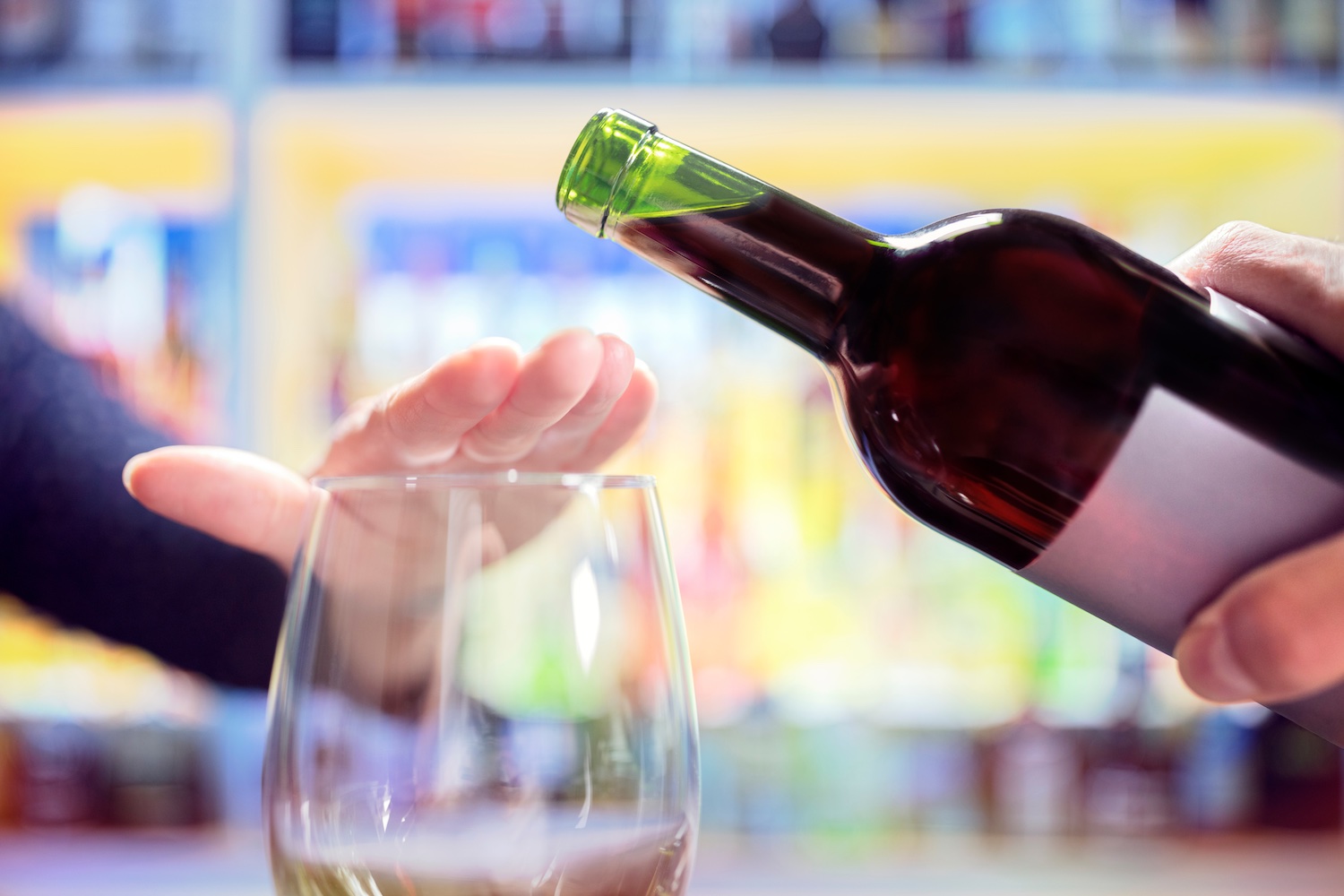
Firefighting is a high-stress job, and for many, alcohol can be an easy stress reliever. Comradery is an important part of firehouse culture, and drinking is often used as a central activity to facilitate bonding and connection. However, sometimes it can go too far and become an unhealthy outlet.
Research over the last few years indicates more than 50% of career firefighters reported heavy drinking (3+ drinks/day men, 2+ for women) or binge drinking (5+ drinks for men, 4+ for women on a single occasion of about two hours), while 9% of firefighters who drank, self-reported driving while intoxicated in the past 30 days. These rates are higher than the general population – a consequence of the mental and physical toll it takes being on the frontlines of emergency responses.
In general, even low levels of alcohol use (less than one drink per day) can increase the chance of health concerns. Therefore, it’s important for fire service members to be conscious of their alcohol consumption, knowing the risks are higher due to their demanding profession.
Below are some key points about alcohol’s effect on our bodies to help firefighter service members make informed decisions:
- Metabolism – On average, the body metabolizes alcohol, primarily through the liver, at a rate of one drink per hour. It’s first broken down by the enzyme alcohol dehydrogenase (ADH) into acetaldehyde, a highly toxic substance and known carcinogen. Acetaldehyde is then broken down by acetaldehyde dehydrogenase (ALDH) to acetate, which is less harmful and converted into water and carbon dioxide for the body to excrete.
- Binge drinking effect – Since ADH is faster at converting alcohol to acetaldehyde than ALDH is at converting acetaldehyde to acetate, acetaldehyde can reach high levels when we consume several drinks in a brief time. Acetaldehyde wreaks havoc on cellular function until it is cleared. For this reason, one drink each night per week is considered safer than having seven drinks once per week.
- Cancer risk – Alcohol consumption is the third leading cause of preventable cancer risk, behind smoking and obesity. The primary mechanism is likely due to acetaldehyde, which disrupts DNA and can lead to mutations. There is a causal relationship between alcohol consumption and several types of cancers (mouth, throat, voice box, esophagus, liver, colon/rectum, breast). A study by the National Cancer Institute showed that even those who average one drink per day or less have slightly increased risk for these cancers when compared to non-drinkers.
While having an occasional drink to unwind after a stressful call or when getting together with friends or colleagues can be harmless, it’s important for firefighters to know the potential long-term risks from regular drinking, and make smart decisions to maintain a healthy lifestyle for themselves, loved ones and fellow service members.
If you or a firefighter you know is in need of help for alcohol or substance abuse, please call our 24-hour helpline at 888-784-6634. Free counseling visits, peer support and other resources are available through the MnFIRE Assistance Program. This confidential, no-cost service is available for all active volunteer, paid-on-call, part-time and full-time Minnesota firefighters and their families, and for all levels of support.