Tag

training

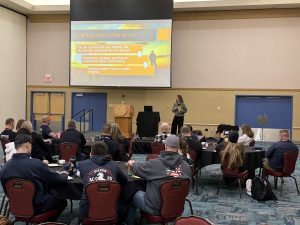
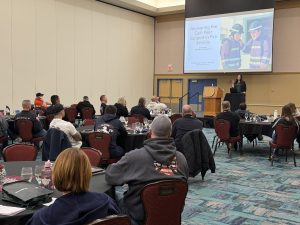
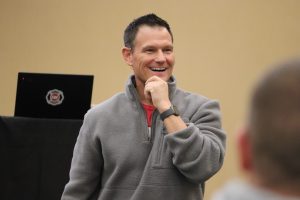
Since MnFIRE began just ten years ago, we’ve been a leading voice in promoting education around the health risks facing firefighters in Minnesota and across the country. Over the past decade, MnFIRE health and wellness trainings have reached firefighters in more than 84% of fire departments across the state, and we’re doing everything we can to continue moving the needle.

As the saying goes, an ounce of prevention is worth a pound of cure. Spending time learning about increased risks for cardiac disease, emotional trauma and cancer at the start and throughout firefighters’ careers can lead to improved behaviors, and hopefully, better health outcomes over time. These behaviors include things like improving PPE decontamination procedures, regularly participating in cancer screenings, normalizing conversations around mental health and prioritizing diet and exercise.

State-compliant annual wellness training

In addition to helping improve the well-being of your department, MnFIRE training satisfies the annual wellness training requirement for public employers as defined in Minnesota Statute 299A.465, the public safety law which guarantees continued employer‑paid health insurance for firefighters and peace officers who are duty‑disabled by job‑related injuries. The MnFIRE Assistance Program and our Peer Support Program also satisfy additional requirements under the statute.

These resources are available at no cost to your department or city, making them easily accessible, regardless of if your department is volunteer, paid-on-call or career. So, let MnFIRE help you comply with these state requirements.

“Having [MnFIRE training] available as readily as it is, makes it super easy for us to get the same good benefits that other better-funded departments would have,” said Isanti Fire Chief Al Jankovich.

Make MnFIRE training an annual affair

If your department was an early adopter of MnFIRE training, or hosted a session more than a year ago, consider scheduling a refresher. MnFIRE training is available to your department on an annual basis, at no cost to you.

We consult with experienced medical experts to shape our training that’s taught by dedicated MnFIRE instructors, who are fellow firefighters. Our training curriculum gets updated regularly with the most current health and wellness information tailored to the fire service, so repeat MnFIRE trainings continue to be valuable for anyone who has already had it, and highly beneficial for any new recruits. Plus, we’ve added several new deep-dive trainings over the years, including sleep and fitness and nutrition classes, that are applicable for both career and volunteer departments.

“It’s imperative that your fire department gets MnFIRE training,” said Rothsay firefighter Travis Olson. “We have to embrace and encourage it. This isn’t just a fire service issue. It’s a community issue and a community service. If we aren’t on top of our game, what good are we to our community?”

MnFIRE training lets Minnesota firefighters take stock in their own health and learn how to better protect themselves against occupational health risks. It’s also another chance for firefighters to hear about the confidential support available to them 24/7 through the Hometown Heroes Assistance Program.

Diving in on mental health topics during training provides an open forum to connect with the instructor and colleagues in a safe environment. These annual reminders are important and possibly the nudge someone needs to reach out to a friend or professional if they’ve been struggling, and before it turns into a potential crisis situation.

The first step

Training is just the first step. Early education in combination with additional physical and mental health support through the Hometown Heroes Assistance Program gives Minnesota firefighters the best chance at having healthier and more productive firefighting careers and lives.

“MnFIRE gives us the tools to protect ourselves and keep safe and healthy long after we are done fighting fires,” says Albert Lea Fire Chief Jeffrey Laskowske.

Visit our training page for a complete list of our no-cost training offerings, and schedule a training for this calendar year. Departments can schedule at their convenience.
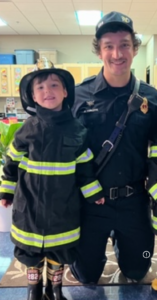
Iron Ranger Zachary Yurczyk has been in the fire service for over a decade, now working as a Lieutenant firefighter and paramedic at Virginia Fire Department and as a MnFIRE trainer.

Over his career, he’s led dozens of trainings on the health risks most commonly experienced by those in the fire service, and responded to hundreds of calls on shift. But perhaps one of the most memorable calls he’s experienced is the one he made to MnFIRE’s hotline for help.

“It felt different to be switching hats from being the one who is telling firefighters to use the help number, to being the one making the call,” said Yurczyk. “But it has been monumental and really helped me get my life back on track.”

Despite success in his career and fulfillment from the job, at age 29, Yurczyk found himself in a lull. He was struggling with energy levels, sleep, his mood, and overall, he just felt “off.” He started searching for a medial answer, and after several appointments, Yurczyk was diagnosed with Hypothyroidism, an underactive thyroid.

“Eventually, it was determined I needed to have my thyroid removed,” said Yurczyk. “Once that happened, I was placed on medicine that I will have to take the rest of my life. And I thought, ‘Well, now things will get better.’”

But they didn’t. Overwhelmed with the health journey while balancing his increased responsibilities at work and raising three young children with his wife, it was all too much. He called the 24-hour hotline to connect with a peer supporter.
“I’ve always been on the other end – teaching, talking about it, trying to help people get what they need, and this time, I needed it,” said Yurczyk. “And they answered immediately.”

The virtual meetings allowed him to check in weekly with ease, which set him up for quick results. Today, he feels like a better partner, parent and firefighter, ready to help others again. He’s back to teaching MnFIRE classes with new perspective and renewed passion.

“Hands down, the emotional wellness class is my favorite to teach,” said Yurczyk. “You don’t realize you are feeling a certain way until someone shares their thought or feeling, and it’s verbatim what you are experiencing. It’s creating connection and community as the class goes on.”

Having used MnFIRE resources himself, Yurczyk can now speak to the life-changing aspect of these benefits available at no cost to active Minnesota firefighters, setting the standard for firefighter health and wellness across the nation.

“MnFIRE training is such an opportunity,” said Yurczyk. “The information shared will change your career and all aspects of your life because you gain a greater understanding of how to live.”

Schedule a training for your department

Through the Hometown Heroes Assistance Program, MnFIRE provides no-cost health and wellness training for all Minnesota fire departments. In addition to the general MnFIRE Awareness class that gives an overview on firefighter occupational health risks, there are five deep-dive trainings now available. Click here to learn more and register for a training.

Become a trainer

MnFIRE is always looking for passionate people who are dedicated to helping others prioritize and protect their health. If you’re interested in becoming a MnFIRE training instructor, please reach out to DeeDee Jankovich. We’re especially looking for new trainers in greater Minnesota.

Over two impactful days, the 2026 Firefighter Health Forum brought together Minnesota’s fire service at Grand Casino Mille Lacs in Onamia for engaging and practical conversations about firefighter health and wellness. The forum, presented by MnFIRE, creates a space to focus on the unique physical, mental and emotional demands that firefighters, and their families, face.

Expert speakers addressed prevention, resilience, emotional well-being and long-term health:

Dr. Margaret Gavian outlined the harmful historical trend in the fire service to suppress stress and trauma, and shared holistic health strategies that encourage whole system recovery and healing.

Aaron Zamzow, a firefighter and EMT, presented ways to create a fit and healthy department culture, focusing on functional fitness and building resiliency.

Megan Lautz, a registered dietician, shared custom nutrition and hydration tactics for maximum performance and recovery.

MnFIRE Medical Director Dr. Zeke McKinney presented the latest information on cardiac health and occupational cancer in the fire service, with proactive ways to prevent and protect from cancer and cardiac disease, including the importance of getting an annual physical.

Jen Elleraas, Crosslake firefighter and MnFIRE peer supporter, also presented at the forum. Peer supporters are trained to provide confidential support to peers and bridge firefighters to professional help when needed. To encourage others to step into this role, Elleraas presented on the importance of peer supporters when fellow firefighters are facing mental health challenges and need outside support. She also talked about how their contributions are shifting fire department cultures by encouraging firefighters to seek help when they need it.

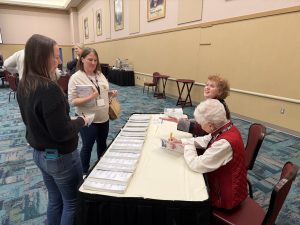
In another breakout session, firefighter spouses and partners connected with Dr. Michelle Sherman, clinical psychologist and author of “Loving Someone with a Mental Illness or History of Trauma.” Dr. Sherman shared tools to cope with difficult emotions and strategies to empower loved ones, including those who have experienced trauma or PTSD, which firefighters experience at a higher rate than the general public. During lunch Dr. Sherman and DeAnne Sherman, her mother and co-author, autographed books and visited one-on-one with firefighters and firefighter family members.

Following another successful Forum, 100% of attendees who responded to the post-event survey stated they are likely or very likely to recommend the health forum to others.

“From training and discussion to celebration and camaraderie, it was a privilege to gather Minnesota’s fire service at Grand Casino Mille Lacs in Onamia,” says Mike Dobesh, MnFIRE president. “The health issues that MnFIRE focuses on, like cardiac, cancer and emotional wellness, have plagued the fire service since its origin. It’s MnFIRE’s mission to change the trajectory we have historically been on, and I’m proud to see so many firefighters starting to take more time to focus on themselves and their health.”

The MnFIRE team is so grateful to the incredible presenters and attendees who made this year’s Firefighter Health Forum a success! For more information on no-cost health and wellness trainings for your fire department, offered through the Hometown Heroes Assistance Program, click here.


The Minnesota fire service community will gather at Grand Casino Mille Lacs in Onamia, MN on Jan. 23-24 for in-depth health and wellness training at MnFIRE’s 2026 Firefighter Health Forum.

The 2026 Firefighter Health Forum will bring together health and wellness leaders to share informative tips and resources to help protect and empower firefighters – and their families – both on duty and at home. Last year, nearly 90% of attendees who took a post-event survey said they’d recommend future Firefighter Health Forums to others.

This year’s presenters include exciting and popular speakers like Aaron Zamzow and Dr. Margaret Gavian. Dr. Gavian will address holistic health in the fire service, and connect the dots between physical health, emotional stress and the work you love – so you can keep showing up without burning out. Zamzow is a Firefighter/EMT, certified personal trainer and founder of Fire Rescue Fitness. His sessions will focus on igniting a healthy and fit culture in your department and building resiliency with EMS and a dose of reality.

In addition to these sessions for all attendees, there is a deep dive track for firefighters, and a separate one for their partners and spouses.

For firefighters

Learn from industry-leading doctors, mental health professionals, trainers and fire service colleagues about the latest strategies for protecting and strengthening your physical and mental health in the fire service. We’ll have sessions exploring heart health, nutrition, cancer, sleep and more. Speakers include MnFIRE Medical Director Dr. Zeke McKinney and Megan Lautz, award-winning registered dietician and owner of RescueRD, which provides custom nutrition for fire departments nationwide.

For families

Firefighter spouses and partners will also enjoy a session specifically designed for them – focusing on strategies for supporting firefighter loved ones, identifying signs of concern, how trauma can affect the whole family and open communication around mental health.

Become a peer supporter

Peer supporter training will also be offered on site at the Firefighter Health Forum this year. Help your fellow firefighters as they navigate stress on the job and at home – join the MnFIRE Peer Support team! Training at the Forum includes Critical Incident Stress Management training and MnFIRE Peer Support-specific training (NOTE: peer supporters must also complete Applied Suicide Intervention Skills training to fulfill our training requirements and start working with peers). For details on how to register for this separate peer supporter track, please visit the event overview.

Register to attend

To register for the 2026 Firefighter Health Forum, visit Eventbrite.

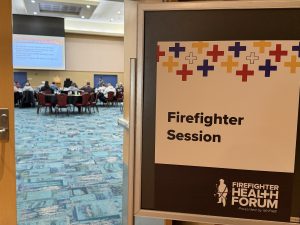
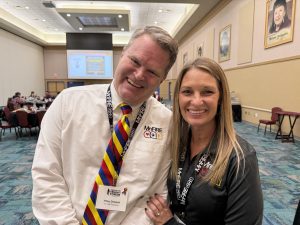
The Minnesota fire service community recently gathered at Grand Casino Mille Lacs in Onamia for a full day of inspiring and hands-on health and wellness training at our 2025 Firefighter Health Forum.

The goal of the event was to share expertise, informative tips and resources to help protect and empower firefighters – and their families – in their professional and personal lives. Firefighters, their partners and spouses, and MnFIRE peer supporters were all immersed in the forum sessions together.

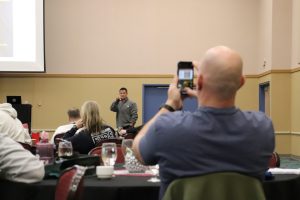
The year’s keynote speaker Ali Rothrock, a first responder mental health advocate, crisis counselor and author, helped set the tone for the day by talking about fostering resilience on and off the job. She reflected on some traumatic experiences early in her career and how they’ve impacted where she is today.

In a post-event survey, one attendee shared, “I found Ali incredibly helpful, insightful and relatable. The way she was able to talk about trauma in a way that everyone could understand was fantastic.”

In other breakout sessions, attendees learned about fitness and nutrition, first responder safety and self-defense, cardiovascular health, optimizing sleep habits, and suicide prevention – all based on the demands of the fire service, and the occupational health risks facing firefighters every day.

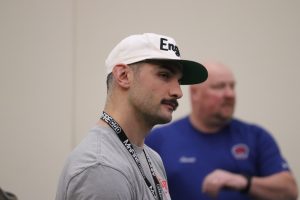
The movement sessions were a hit, particularly an interactive mobility session led by Blake Christenson of Iron Maltese Athletics with him modeling proper hip and shoulder movements to help firefighters reduce their risk of injury on the job. A few attendees walked away excited to bring this simple warm-up routine back to their departments.

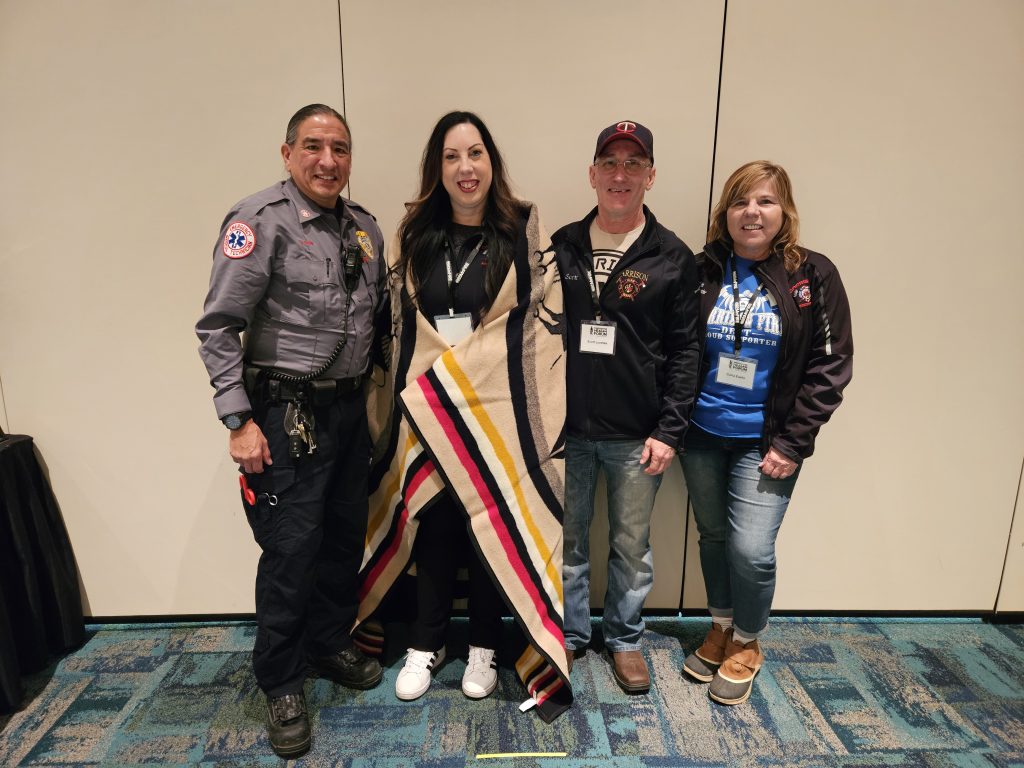
At lunch during the forum, Monte Fronk, Head of Tribal Emergency Management for the Mille Lacs Band of Ojibwe, presented Garrison Fire and Rescue Captain and MnFIRE peer supporter Jen Elleraas with a special gift. Garrison Fire and Rescue is a volunteer fire department and the Mille Lacs Band of Ojibwe – one of 11 federally recognized tribes in Minnesota – is one of the largest communities they serve.

Under Jen’s leadership, the department has worked to improve its communications and outreach, including participating in the annual Mille Lacs Band fire prevention/safety day at the tribal schools on the reservation and assisting Monte with already established NFPA 1300 community risk reduction efforts. Jen was recently recognized as the 2024 MSFCA Fire Officer of the Year for populations under 10,000. But to personally thank Jen and show his appreciation, Monte gave her a traditional gift of a blanket that recognizes her passion and efforts to improve safety for the Mille Lacs Band.

Nearly 90% of attendees who took our post-event survey, said they’d recommend future MnFIRE Firefighter Health Forums to others.

Thank you to all the incredible presenters and attendees who made this such an impactful and memorable event! We are so grateful for our fire service community.

Interested in bringing this kind of training to your department? MnFIRE’s no-cost trainings through the state’s Hometown Heroes Assistance Program provide crucial information about health and wellness topics impacting those in the fire service, such as cardiovascular health, emotional wellness, cancer, sleep, fitness and nutrition. Learn more and register your department for a training here.

In tandem with our medical experts, dedicated MnFIRE training instructors like Andy Willenbring deliver crucial education about cancer, cardiac, emotional wellness, fitness, nutrition, sleep and more to fire departments across the state – and we couldn’t do it without them.

Andy has been in the fire service for 23 years, a goal of his since he grew up watching his father as a firefighter in White Bear Lake for 30 years. He started as a paid-on-call firefighter and Captain at Maple Grove, and more recently retired as a Lieutenant from the St. Louis Park Fire Department in October 2023. Andy has been a MnFIRE training instructor for four years now and during that time he’s taught nearly sixty trainings to fellow firefighters. We sat down with him to see what inspires him to do this work and how he empowers others to focus more on their well-being and open up about struggles within the fire service.

Why did you want to get involved with MnFIRE and become a training instructor?

I love training and talking to firefighters. It’s one of the best things about being a firefighter. And I got involved with MnFIRE because their Peer Support team got me through some pretty rough, emotionally traumatic times in my life. I thought it would be a great way to give back and tell my story so that no one else has to go through what I went through.

How are the training lessons benefitting Minnesota firefighters? What impact are they having?

I think a lot of people roll their eyes when they hear about a training presentation, but making it interesting – adding my own stories, experience and knowledge – makes it more fun for people to learn and be there. When I talk about my struggles with emotional trauma, it adds a real face to a real problem that many are struggling with and are afraid to talk about. When someone is standing in front of a class talking about their thoughts, nightmares, struggles and legitimately crying, it adds a realness to the training that hopefully makes a difference in someone’s life.

Why is it important for departments to participate in MnFIRE training?

[Cardiac disease, cancer and emotional trauma] are real problems in the fire service. Real problems that can be addressed with some simple changes in the way we live our lives and the way departments operate. I think it’s important for departments to all learn the same things to improve firefighters’ quality of life. No matter the size, location or function, all firefighters in Minnesota are in this together. No matter how different each department is, we all should have the same goal: the health and wellness of all firefighters.

Has there been anything surprising that you’ve learned during your time as a MnFIRE trainer?

I’ve had several firefighters reach out to me from all across the state after a training session and tell me that they have been having emotional trauma problems, and after listening to my presentation, they decided now is time to get help. It’s very surprising how widespread the need for help across the state is. We are so fortunate in Minnesota to have the Hometown Heroes Assistance Program. It’s a one-of-a-kind program.

Is there anything else you want to tell firefighters about this training?

MnFIRE training is more important than you think it is. It’s important for firefighters to learn about how to better help themselves and help each other. But it’s even more important to share this information with your family and friends. Talk openly and be honest about what it means to be a firefighter, and how others can help you be a better person and live a long happy life.

Remember, it’s OK to not be OK. We all want to go home at the end of a shift or call, and these trainings will help you and your fellow firefighters do that.

Get trained for free

The Hometown Heroes Assistance Program supports annual MnFIRE training for all Minnesota firefighters, at no cost to departments. If your department has already completed our general awareness training about firefighter occupational health risks, there are several new deep-dive trainings now available. Click here to learn more and register for a training.

If you’re interested in becoming a MnFIRE training instructor like Andy, please reach out to Director of Program Delivery DeeDee Jankovich. We’re especially looking for new trainers in greater Minnesota.

Mental health conditions affect people of all ages, backgrounds and lifestyles in all kinds of ways. In fact, about one in five people globally live with a mental health condition. For firefighters, the rates are even higher than the general population – particularly in the areas of sleep disorders, depression, substance abuse, post-traumatic stress injury and suicidal ideation/action.

And too many of these firefighters are suffering in silence.

Mental health conditions are treatable illnesses. Yet, despite how common mental health concerns and conditions are, stigma persists. And most people don’t seek help.

Here are seven ways you can help stop stigma, so people feel safer and more comfortable getting the help they may need:

Be kind

A simple rule of thumb is to remember people are people, not conditions. Treating people with kindness and compassion can go a long way toward creating a welcoming, supportive environment.

Study the facts

There is a lot of bad information out there. Check your source before you repeat or repost a tidbit off the internet. It may not be accurate. Consider the motivation behind a dramatic portrayal on a TV show before assuming it’s credible. Educate yourself, so you can help set the record straight. It’s best to start with legitimate resources that are committed to raising awareness and mobilizing support for mental health. The World Health Organization is a great example. Learning about common conditions, like depression, anxiety disorder, post-traumatic stress disorder and others, will help you spread good information.

Be an ally

Encourage respect and dignity for all people. If you hear someone saying hurtful or false things about mental health concerns or conditions, politely speak up and address it.

Talk openly about mental health

Listen respectfully and invite open conversation about the importance of mental health and well-being. People should not feel ashamed or reluctant to get the benefit of professional help.

Foster understanding

Encourage yourself and those you influence to view mental health just as you would physical health. If, for example, a friend sprained an ankle or broke an arm, you would encourage them to seek medical attention. The same should be true for mental health conditions.

Share your own experience

If you have personal experience with mental illness, consider telling others about it. Sharing your story can foster understanding and provide perspective. The MnFIRE Peer Support program provides a confidential outlet for firefighters to share what they’re going through with someone who understands.

Get involved

Around the world, people are working hard to improve mental health care perceptions, systems and policies. There are many ways to show support. Make sure you post only accurate information on your social media. Drive a friend to a therapy appointment. Make your vote count in local elections. Donate time or money to an advocacy organization like MnFIRE. Every show of support helps normalize the conversation around mental health and wellness.

The emotional and disturbing calls we go on can stick with us – and it’s important to recognize how the stresses of the job can negatively impact our mental health. MnFIRE’s emotional wellness training can help your department de-stigmatize talking about mental health, as well as provide practical information around how to properly debrief after a difficult call, ways to maintain emotional well-being and what resources are available for those who need help.

Confidential peer support and mental health resources are available to Minnesota firefighters and their families for free through the MnFIRE Assistance Program. For more details or for help, call 888-784-6634 or visit mnfireinitiative.com/hhap/#MAP.

Repurposed from MnFIRE Assistance Program partner, Optum.


Sources

American Psychiatric Association, “Stigma, Prejudice and Discrimination Against People with Mental Illness.”
psychiatry.org/patients-families/stigma-and-discrimination Accessed July 17, 2023.

BetterHealth Channel, “Stigma, discrimination and mental illness.”
betterhealth.vic.gov.au/health/servicesandsupport/stigma-discrimination-and-mental-illness#challenging-stigma-associated-with-mental-illness. Accessed July 17, 2023.

Mind, “Mental health problems – an introduction.”
mind.org.uk/information-support/types-of-mental-health-problems/mental-health-problems-introduction/stigma-misconceptions/. Accessed July 17, 2023.

NAMI, “Pledge to be stigmafree.”
nami.org/Get-Involved/Pledge-to-Be-StigmaFree. Accessed July 17, 2023.

Contributed by Paul J. Anderson, M.D.

Getting quality sleep is tough. Anticipation of a call at night is like watching the alarm clock when you know you need to get up early. Your sleep quality suffers. Then a call comes in, and your sympathetic “fight-or-flight” response is activated. This sharpens your focus and primes your body to perform, but makes it incredibly difficult to fall back asleep once the run is complete.

Plus, sharing your sleeping quarters with others, like in a firehouse, can limit the ability to personalize one’s sleep environment when time for sleep is available. And at home, firefighters tend to prioritize time with family and other personal obligations over resolving “sleep debt” accrued from a busy night on duty. Understandably so.

Sleep is the most restorative and rejuvenating element of human life. During sleep, the body clears waste products of metabolism and cellular function and builds neural networks in the brain that are responsible for learning and memory. Sleep replenishes our immune systems, balances our hormones and repairs our bodies so that we are primed for work and activity when we wake the following morning.

According to renowned sleep expert Dr. Matthew Walker, there may not be a single cellular process that doesn’t benefit from a good night’s sleep. Lack of routine quality sleep for seven to eight hours per night has been associated with performance deficits and increased risk of cardiometabolic disease, mental illness, cognitive decline, cancer and early death. But nighttime calls are inevitable, whether you are a full-time, part-time, on-call or volunteer firefighter. Therefore, firefighters must do all they can to maximize sleep quality when sleep opportunity is available.

Here are some considerations to optimize your sleep:

1. Build a sleep sanctuary

The ideal sleep environment is cool, dark and quiet. If you are utilizing shared sleeping quarters, aim to set the temperature somewhere between 60 to 67°. Avoiding screen use for two hours before bed is incredibly important, as the light emitted from electronic screens has a powerful impact on the body’s internal clock. Fans and other generators of “white noise” may help create a restful environment in an otherwise noisy environment. It also may be worth considering lighting sleeping rooms with light that are less stimulating to the eyes. Think red or dimmer light.

2. Develop a bedtime routine

The brain needs to associate the bed with sleep only. Common techniques to help calm the body and recruit the parasympathetic “rest and digest” system include warm showers, gentle stretching, meditation, and structured breathing. Consider a pre-bed routine that starts with taking a hot shower, followed by some reading under dim light on a non-electronic source, then five to ten minutes of “cyclic sighing” in bed (four seconds deep inhale, eight seconds slow exhale). These behaviors can calm the nervous system and set the stage for sleep.

3. Nap strategically

Napping can improve daytime alertness and help resolve sleep debt, but it has to be done properly. Napping at the wrong time of day or for too long can compromise nighttime sleep quality. Naps for less than 30 minutes in the early afternoon (around 1 p.m. to 3 p.m.) are best, when the body’s circadian rhythm yields a natural dip in arousal. But only nap if you feel the need, because oversleeping is also harmful to overall health.

4. Live an active and healthy life

Daily exercise leads to the increased accumulation of adenosine, the primary molecule responsible for tiredness, or “sleep drive,” at the end of the day. Exercise will also help with weight loss, which can prevent the development of sleep disorders like obstructive sleep apnea (OSA). Limiting caffeine intake to the morning and less than 400 mg daily is ideal. Aim for minimal alcohol intake as well, and know that a drink is less disruptive to sleep if had earlier in the day versus evening. Meal timing can also affect the body’s internal clock, so avoiding eating for the first one to two hours after waking and two to three hours before bed can be helpful.

5. Promote a pro-sleep culture

The machismo “I’ll sleep when I’m dead” mentality needs to end. Research tells us that education, awareness, and implementation of sleep programs in fire departments are effective in improving overall sleep quality. Address fatigue and sleep status often, discuss it with other firefighters and make sleep a priority at home. To help set the tone, consider reading Walker’s book Why We Sleep. It will reaffirm that quality sleep is a foundation of overall wellness and perhaps motivate you to make favorable changes to your sleeping routine.

Chronic sleep deprivation is likely to accelerate the development of illnesses that are already all too prevalent in the fire service. While high-quality sleep may be a challenge for firefighters, some of these simple adjustments can help you prioritize better sleep techniques and your overall health.

Put your department on a path to better sleep

MnFIRE now offers a training specifically focused on sleep. Help your team get a better night’s sleep – register your department today for this free sleep training here.

Contributed by Paul J. Anderson, M.D.

There is no way around it, firefighting is a stressful job. Physically, you must be able to handle the stress of the station alarm or an emergency call, the truck sirens blaring, gearing up and working hard until the fire is out, keeping at it until overhaul is done, and staying until your gear is clean and back in your locker. Emotionally, you must handle distraught victims, exposure to horrible life situations and trauma, the unpredictable attitudes of your teammates, and anything else that comes at you on a call. On top of all that, if you are like most firefighters in Minnesota – part-time or volunteer – this might not even be your day job, and you likely have a family to take care of as well.

All of these things considered, firefighting exposes us to high levels of stress. With prolonged exposure to these elevated stress levels, firefighters can feel a negative ripple effect through various aspects of life that may eventually hinder a person’s ability to function.

The most important thing to remember about your body is that it cannot tell the difference between various kinds of stress. “Stress is stress” to your body. It’s also good to remember that too much stress can negatively impact almost all of the other lifestyle habits you might be trying to build or maintain. With too much stress, we eat poorly, sleep poorly, have low energy for working out, our relationships suffer and we may turn to alcohol or other substances a little too often to “take the edge off.”

But there are ways to counter the “crunch” of too much stress in your life. Here are a few thoughts to help you step out in another direction:

  1. Prioritize: Being stressed out happens sometimes in everyone’s life, but often it happens because our priorities have gotten out of order. Think about what capacities are most important to you and what skills and resources are essential to helping you be your best for yourself and the people around you. Prioritize the time and activities that support those resources. Take control of your schedule. Decide to let some things go.
  2. Downsize: So much stress comes from trying to do too much in too little time. Maybe there are some parts of your life you could simplify or let go of altogether to get back on track. Think about your commitments, your obligations and the extra activities that are filling your time. Maybe you can back off just a little bit and buy yourself some time to recharge.
  3. Capitalize: Capitalizing means you take what you have and reinvest it in key resources that make you even more successful. Take your new priorities, and some of the time you gained from downsizing, and re-invest in your key relationships, the physical and mental health you have through physical activity and great nutrition, good friendships, spending time in nature and participating in activities or causes that bring you joy.

Managing stress is a key pillar of a healthy lifestyle that will improve your ability to be present to your work, your family, and yourself. You can read more about other healthy lifestyle pillars, such as physical fitness, here.

Contributed by Paul J. Anderson, M.D.

As a firefighter, food may be one of the last things on your mind. You may work one or two other jobs while trying to hold down a busy family life, and you’re committed to showing up for a fire call, ready to get to work. With this number of responsibilities, you eat when you can. But putting food last on your list will eventually leave you unprepared for an emergency because you are too tired or too unhealthy to rise to the challenge. While being unprepared could cause you injury, it could also keep you, your fellow firefighters, your family or the public from getting help when they need it.

We get it. On top of juggling all of those things, nutritional advice is overwhelming and confusing for most of us. So, here is a great saying from Michael Pollan to get you started: “Eat real food, not too much, mostly plants.”

Eat real food

Eating real food means eating items that naturally occur in the world as things you can eat. Think about an apple, a carrot, black beans, nuts or fish. Processed foods, on the other hand, are edible substances that come out of machines or go through heavy processing like puffed snacks, soft drinks, protein drinks or candy bars. Real food is better fuel because it has more nutrients and fewer calories. Plus, it contains the full variety of nutrients our bodies need to do work and stay healthy.

Not too much

Eating too much of anything provides excess energy (calories) which the body stores as fat. Only about 10 to 20% of your weight should come from fat. The rest (80 to 90%) should be muscle, bone, blood, organs and water. But what is too much?

The average person needs somewhere around 2,000 calories per day just to support basic body functions like thinking, moving around, digestion and breathing. Divide this by three meals per day and you are talking about 675 calories per meal (less if you snack), which is not a lot of food. So, besides learning to eat more real food and less processed foods, the next action you can take is to pay attention to how many calories you eat in a day. There are a number of apps you can use for free (such as myfitnesspal.com) that help you easily track your food intake if you want to learn how many calories you eat.

Mostly plants

No, you don’t have to be a vegetarian or a vegan. But you do need to understand that meat is best kept as a “once in a while” part of your diet, instead of a daily dietary staple. All types of meat contain everything an animal ate and was exposed to during its lifetime, not all of which is good.  In addition, certain components of meat, especially red meat, can create inflammation in your body and that can speed up the development of disease in your blood vessels and heart.

Lifestyle changes such as regular exercise and quality nutrition can improve job performance and help your body reach its full potential. Nutrition is a key pillar of a healthy lifestyle that will improve your ability to be present for your colleagues, your family and yourself. You can read more about other healthy lifestyle pillars, such as physical fitness, on the MnFIRE blog.

Learn how to create and maintain good physical fitness and healthy eating habits to support your firefighter training, work demands and long-term health by signing your department up for the new Firefighter Fitness & Nutrition training from MnFIRE. These trainings are available whenever it’s convenient for your crew, and it’s completely free for all fire departments in Minnesota. Sign up today!

1 2 3 4

The Minnesota Firefighter Initiative is a 501 (c)(3) non-profit recognized by the IRS. Tax/EIN number: 38-4049248.

P.O. Box 124, Isanti, MN 55040

Skip to content