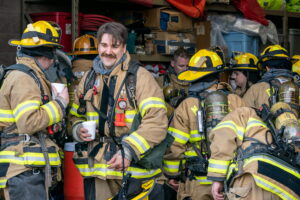

Contributed by MnFIRE partner, Optum
It’s difficult to imagine someone you care about taking their own life. But many people around the world do — often without warning. Their loved ones, coworkers and community members are left to grieve. Many feel a mix of complicated emotions: disbelief, sorrow, anger. Some — especially those closest to them — feel guilty, wondering if they should’ve known somehow and done something to stop it.
However, no one can predict who might attempt or die by suicide. And no one is to blame when someone does. Many people who attempt suicide do so impulsively without warning. Still, we can all do more to create supportive environments where people in despair know they’re not alone.
Who’s at risk?
Suicide affects every region of the world — and people of all ages, backgrounds and circumstances, including many firefighters. It’s linked to:
- Mental health conditions, such as depression, anxiety, post-traumatic stress disorder (PTSD) and alcohol or substance use disorders
- Major life stressors, like financial, relationship or legal troubles
- Chronic medical conditions and pain
- Experiencing disaster, violence, abuse or loss, and a sense of isolation
- Belonging to a group that faces discrimination, such as refugees, immigrants, people of color or LGBTQ+ individuals
- Cultural or religious ideals
- Being incarcerated
- Family history of suicide
It’s difficult to know who’s at risk. It could be a fellow service member, coworker or friend who seems happy and is always looking out for others. Unfortunately, research shows firefighters are at a higher risk to die by suicide than in the line of duty and at a 20% greater risk when compared to the general public, according to the U.S. Fire Administration.
Stigma and taboo often keep people from asking for support, even when they need it most. That’s why it’s so important to understand what suicide is — and how to support someone who may be considering it.
Show compassion
One of the most important steps is to talk more about mental health and well-being. Letting your loved ones know you’re a safe place can go a long way in helping them feel connected and supported. Being open about your own struggles can also help others feel more comfortable.
Clue in on warning signs
Listen closely to what your loved ones and others say, without passing judgment. If they talk about feeling worthless, wanting to die, having no reason to live, killing themselves or getting revenge – those are warning signs.
Out-of-character behavior can also signal suicidal thoughts — such as extreme mood swings, sleeping too much or too little, giving away valuables, isolating themselves or increasing their use of alcohol or drugs.
Offer support
If you notice any possible signs — or just get a sense they’re struggling — talk to them. Ask how they’re feeling and let them know you’re here to listen without judgment. It’s also OK to ask gently if they’re thinking about suicide.
Depending on what they say (or don’t say), let them know you care about them and are concerned about their well-being.
Remember you’re not there to fix anything — you’re there to be someone they can lean on, so they feel less alone and more supported.
If you’re worried they may be in despair or thinking about suicide, focus on how to help them feel supported while doing your best to keep them safe. For example, stay with them until you’re confident they’re safe or with someone who can support them. If possible, remove substances or items they might use to harm themselves.
Encourage them to connect with a medical or mental health provider who can help them stay safe and access the support they need.
MnFIRE can help
The MnFIRE helpline is free and provides confidential help 24-hours a day at 888-784-6634 for all active Minnesota firefighters and their families. Select option 1 to get connected with a therapist.