MnFIRE’s Peer Support Program provides a crucial service and lifeline to Minnesota’s 20,000 firefighters and their families when help and support are needed most.
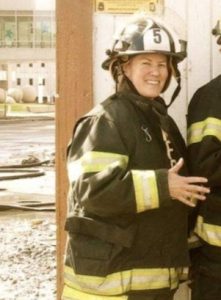
Cory DeWitte, a captain for the Montrose Fire Department, has been an active fire service member since 2012. He naturally moved into a leadership role two years ago and works closely with others to lead the department of 22 volunteer firefighters.
During an internal meeting nearly a decade ago, Cory raised his hand to learn more about MnFIRE’s Peer Support network. After attending the peer support training, he hasn’t looked back. Read below about Cory’s experience and why becoming a peer supporter has been a rewarding part of this role.
Tell us a little about yourself – your family, history with the fire service and day job.
I stay very busy with family, work and volunteer commitments! I’m married and have two boys, ages 20 and 17, and I enjoy coaching youth sports, including trap.
As a longtime fire service member, our department responds to calls to suppress fires, protect life and property and assist with medical emergencies, such as performing first aid and medical treatment until an ambulance arrives. In addition to training for emergency situations, I have my state certification in Firefighter I and II, HazMat Operations, FAO, Officer, Instructor and EMR.
As a captain, I oversee one of our teams and am responsible for planning and operations. Our full department meets three Tuesdays per month for staff meetings, truck maintenance planning and various training sessions. I spend roughly 10 hours per week on my fire service responsibilities, with roughly six to seven of those hours at the station. Since we are a small team, everyone is asked to step up and do their part.
For my day job, I work as a programming manager at Sackett-Waconia, a technology and equipment manufacturer that supports the fertilizer industry.
When and why did you become a MnFIRE peer supporter?
When I first learned about MnFIRE’s Peer Support Program, I was immediately drawn to it since I wanted to become more involved in taking care of our “own.” Now it’s been 10 years, and it’s one of the most rewarding aspects of my fire service career.
Over the years, I’ve learned how great a need there is for this type of service for firefighters. We see extremely tough situations and many of us don’t talk about them for fear we’ll be seen as weak.
More firefighters could benefit from talking with a trained peer supporter and/or a therapist. I personally appreciated talking with a therapist for several months who helped me develop more tools in my toolbox.
What are the most rewarding and surprising parts of your role as a peer supporter?
The most rewarding has been assisting fellow firefighters to receive the help they need and get back to a new normal. The amount of time that I spend supporting someone can greatly vary depending on the individual’s needs and healing process. When I don’t get a text or a call for a while, that’s often a sign someone is on the right path and no longer needs my support – and that’s a great feeling. If I can help save one firefighter – it’s 100% worth it.
As for the most surprising element, it’s learning about the different situations or triggers that cause people to struggle. It’s not always the result of a horrific call. Sometimes it’s the compounding of ongoing tough calls along with other life demands and challenges, and one unexpected trigger can set everything off. Every person is different and there’s no one story that’s the same.
What should others who want to become a peer supporter know?
Be prepared to learn about yourself along this journey. And be ready to put in some time and give it 100% of your attention when you’re in support mode. If someone doesn’t have ample time, they shouldn’t volunteer for this role. It’s unfair to those who are reaching out in crisis.
It’s also important to have your own support system. My family knows when I take calls that I need privacy and uninterrupted space. They know I’m passionate about mental health and that it’s important to me to give back to fellow firefighters in this way.
I’m also fortunate that my dad, who has been an emergency medical service member for 30 years, understands this world. I often turn to him after challenging calls.
Lastly, it has been helpful to check in with MnFIRE’s Peer Support program manager to make sure I’m on the right track after a call or to ask for guidance on different situations.
What advice can you offer fellow firefighters who may be struggling with their mental health?
If you’re struggling, you need to reach out and find help. Don’t hold back and try to choke down your pain. You need to talk with someone and build a tool set that will help guide and move you forward.
More firefighters and their families should be aware of MnFIRE’s Peer Support Program and other benefits, including five no-cost therapy sessions per year through the Hometown Heroes Assistant Program.
MnFIRE’s Peer Support Program is a safe, confidential space to talk about what you’re going through with someone who gets it. Get connected with a peer supporter by calling our 24-hour helpline at 888-784-6634 and selecting option 2.